On this page
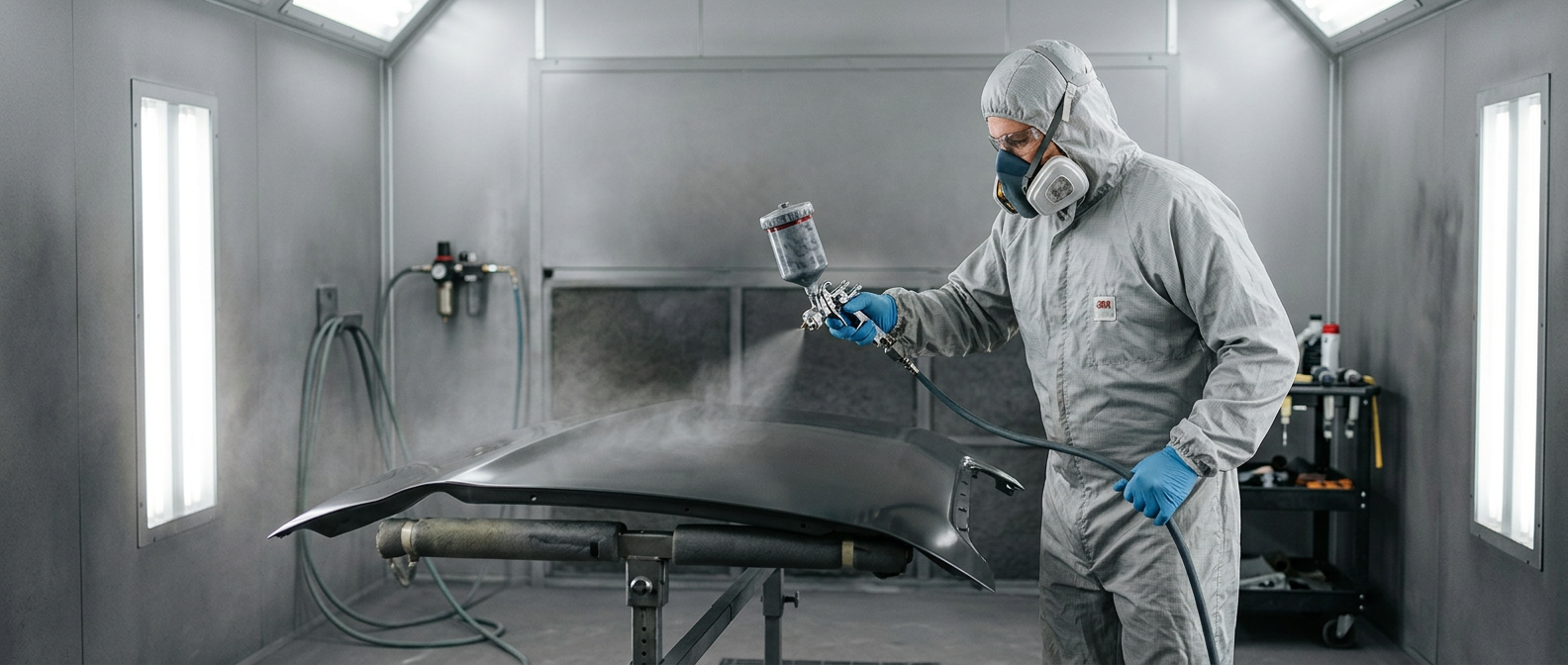
Luxury and high-performance vehicles often combine complex shapes, specialty finishes, sensitive trim and high repair costs. Selecting protection requires vehicle-specific inspection and experienced installation.
Understand the finish
Matte, satin, metallic, ceramic, self-healing or bespoke finishes may have distinct compatibility requirements. Confirm the product maker explicitly supports the substrate and finish. A small inconspicuous test may be appropriate only when the manufacturer approves it.
Complex geometry and materials
Deep recesses, carbon-fiber components, sensors, soft plastics and mixed substrates complicate coverage. Ask how each material is handled and whether any areas are excluded. Do not assume a process safe for painted metal is appropriate for every adjacent surface.
Preparation and documentation
Record existing defects, repainting, prior coatings and panel history before work. Agree on correction limits and capture the condition in writing. Controlled lighting, clean facilities and careful masking are especially important on high-value vehicles.
Aftercare and future service
Ask how the selected protection affects detailing, paint correction, warranty and collision repair. Ensure the owner and service provider receive aftercare and removal instructions. Consider local repair capability as part of the purchase decision.
Related questions
How is Paint Protection Spray applied?+
Professional systems typically require inspection, preparation, masking, controlled application and product-specific drying or curing. Follow the manufacturer’s instructions.
Is PPS applied directly to car paint?+
Some products are applied over prepared paint, while compatibility may depend on the finish and existing treatments. Confirm with the maker and installer.
Continue learning
Explore LIQVIX
Learn about the LIQVIX product and its documented specifications.