On this page
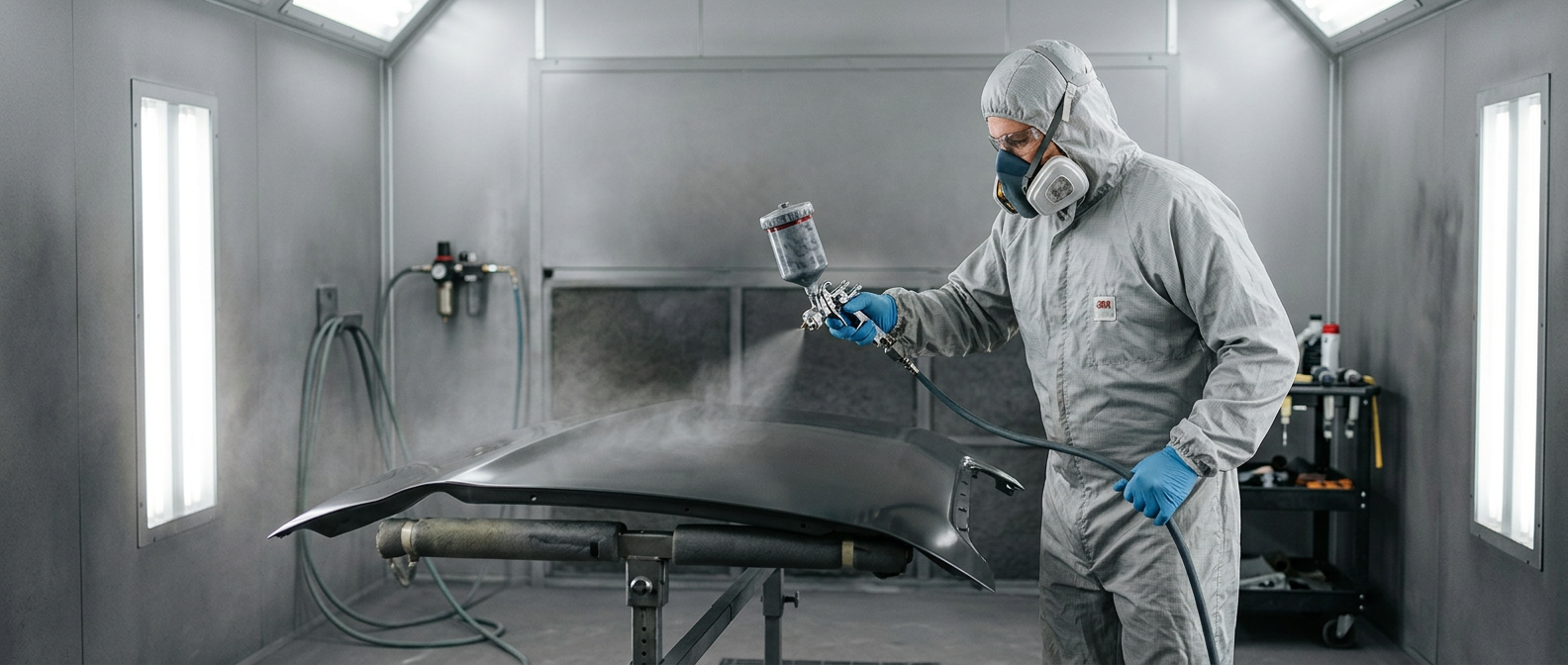
A professional installation is a process, not simply a product purchase. Evaluate the installer’s experience, facility, documentation and willingness to discuss limitations.
Training and experience
Ask what training applies to the product and how many comparable installations the technician has completed. Request genuine examples in varied lighting and ask how defects or rework are handled. Experience should be relevant to the specific application system.
Facility and process
Review cleanliness, ventilation, lighting, masking and environmental controls. Ask how the vehicle is inspected and prepared, where it cures and how it is protected from dust or contact. Safety practices should align with product documentation.
Product and written documents
Confirm product identity, current technical data sheet, safety data sheet, application instructions and warranty. Ask for the covered panels, exclusions, maintenance and removal procedure in writing. Avoid vague answers or guarantees that extend beyond the manufacturer’s terms.
Aftercare and support
A capable installer explains when the vehicle can be washed, what products are compatible and whom to contact if an issue appears. Ask about localized repair and future removal. A clear process is more useful than a broad promise.
Related questions
How is Paint Protection Spray applied?+
Professional systems typically require inspection, preparation, masking, controlled application and product-specific drying or curing. Follow the manufacturer’s instructions.
Is PPS applied directly to car paint?+
Some products are applied over prepared paint, while compatibility may depend on the finish and existing treatments. Confirm with the maker and installer.
Continue learning
Explore LIQVIX
Learn about the LIQVIX product and its documented specifications.