On this page
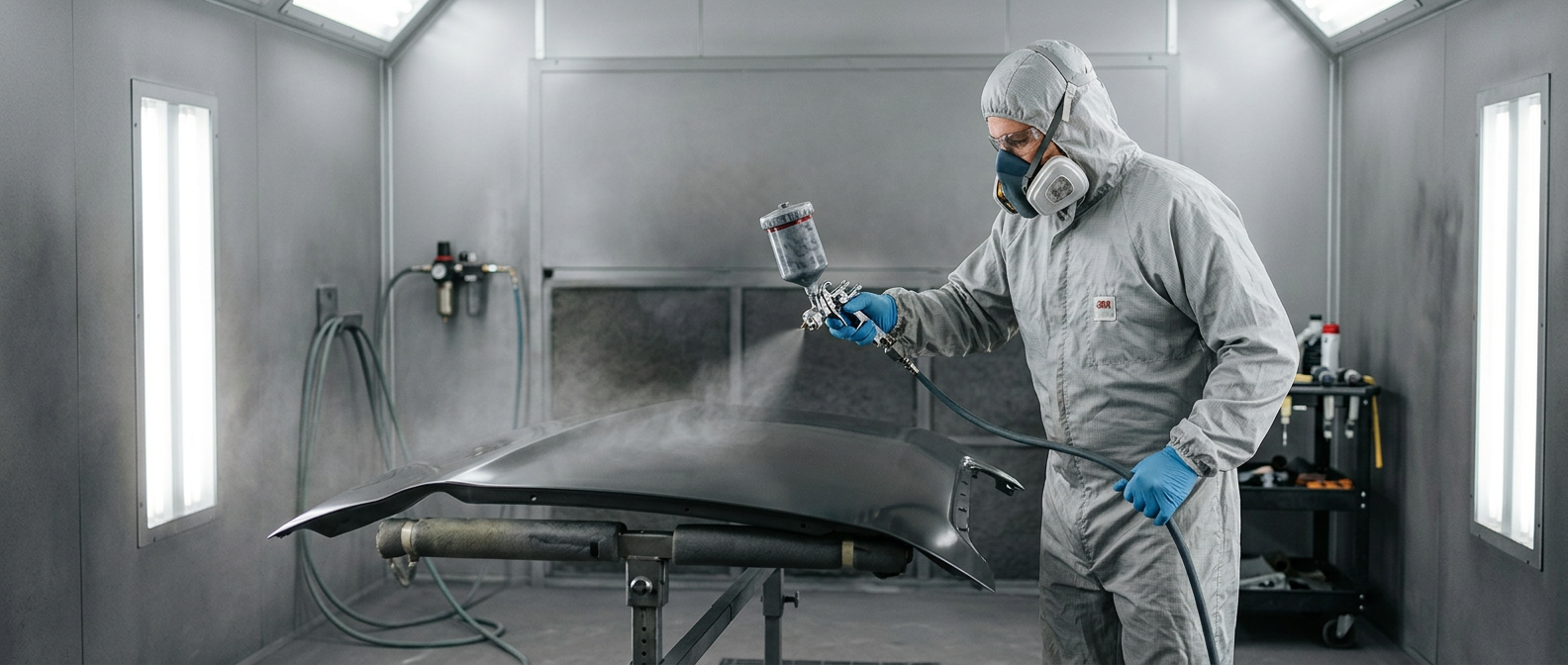
Conventional PPF installation may include pattern positioning and trimming on or around vehicle panels, depending on the pattern and installation method. LIQVIX is spray-applied, so conventional PPF film cutting on the vehicle is not part of its application process.
How film installation may involve cutting
A PPF installer works with manufactured film, patterns and panel edges. Some workflows use pre-cut patterns; others may trim film on or near the vehicle. Methods vary, and careful installers use different techniques to manage blade exposure.
The LIQVIX spray process
LIQVIX is applied as a spray-applied primer system and completed with compatible automotive clear coat. There are no film pieces to position or trim on the vehicle as part of that spray application.
A specific risk reduction—not a no-tools promise
Eliminating conventional on-car film cutting removes the blade-contact risk associated with that PPF trimming step. It does not mean no cutting tool is ever used during any preparation, masking or finishing work.
The rest of the process still matters
Surface preparation, protection of adjacent components, application control, clear-coat compatibility and inspection remain important. Follow current LIQVIX instructions and use appropriately trained professionals.
Related questions
What is Paint Protection Spray?+
Paint Protection Spray (PPS) describes professionally applied automotive protection systems deposited in liquid form over painted surfaces. Specific materials and performance vary by product.
What does PPS stand for?+
PPS commonly stands for Paint Protection Spray. It is a category label, not one standardized formulation.
Continue learning
Explore LIQVIX
Learn about the LIQVIX product and its documented specifications.