On this page
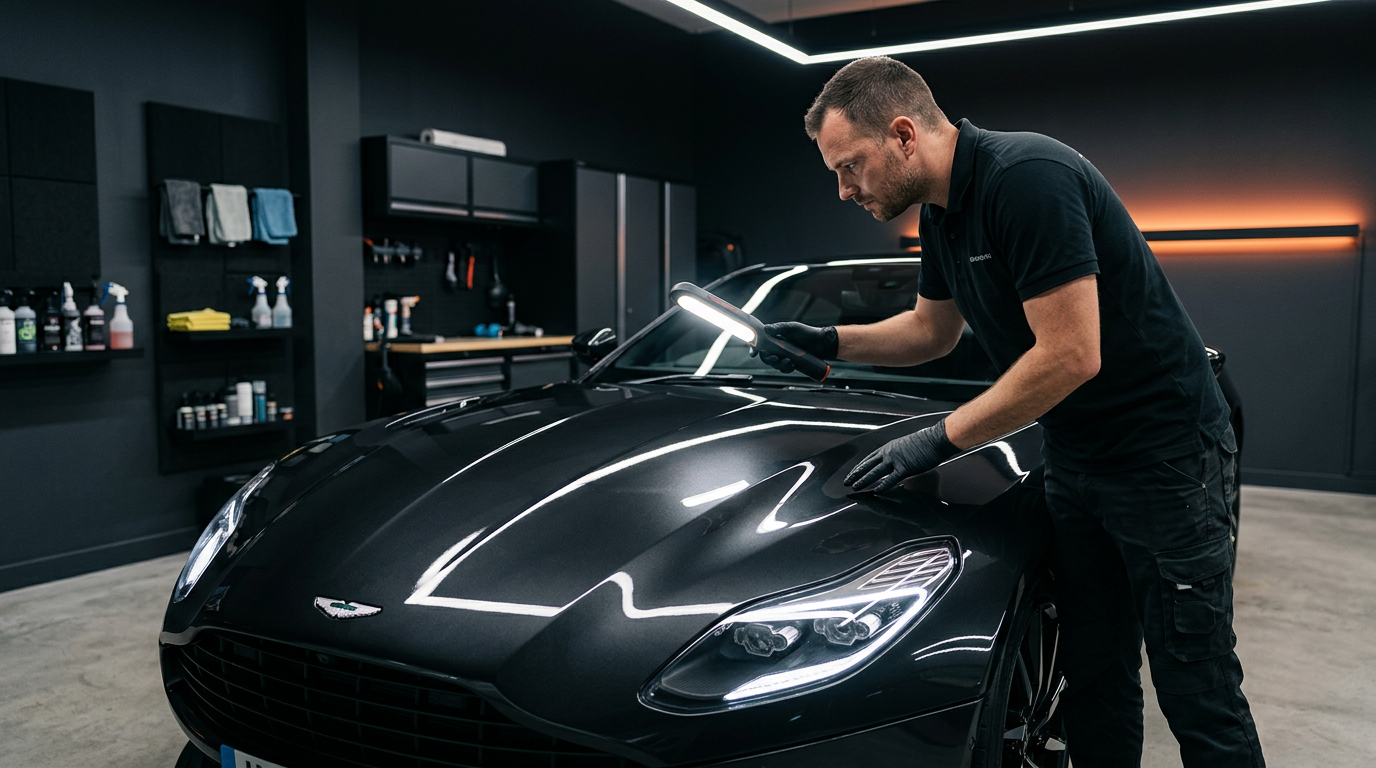
A paint protection product should be applied only when its manufacturer documents compatibility with the vehicle’s finish and the installer follows the specified procedure. No blanket guarantee applies to every paint system.
Know the substrate
Modern vehicles may include factory paint, repainted panels, plastics, composites and specialty finishes. Repairs, age and prior coatings can change adhesion or removal behavior. Tell the installer about known repainting and previous treatments.
Preparation and conditions
Compatibility depends on a clean, properly prepared surface and correct environmental conditions. Unapproved cleaners, solvents or application outside the stated limits can affect the result. Follow the product technical and safety documentation.
Ask for evidence
Request compatibility statements, test information and a written process for uncertain panels. Clarify whether a test patch is suitable and who approves it. Understand what the warranty excludes, particularly repaired or non-factory paint.
When to pause
If product identity, instructions or substrate compatibility cannot be established, postpone application. A qualified installer should be willing to explain risks and refer questions to the manufacturer.
Related questions
What is Paint Protection Spray?+
Paint Protection Spray (PPS) describes professionally applied automotive protection systems deposited in liquid form over painted surfaces. Specific materials and performance vary by product.
What does PPS stand for?+
PPS commonly stands for Paint Protection Spray. It is a category label, not one standardized formulation.
Continue learning
Explore LIQVIX
Learn about the LIQVIX product and its documented specifications.