On this page
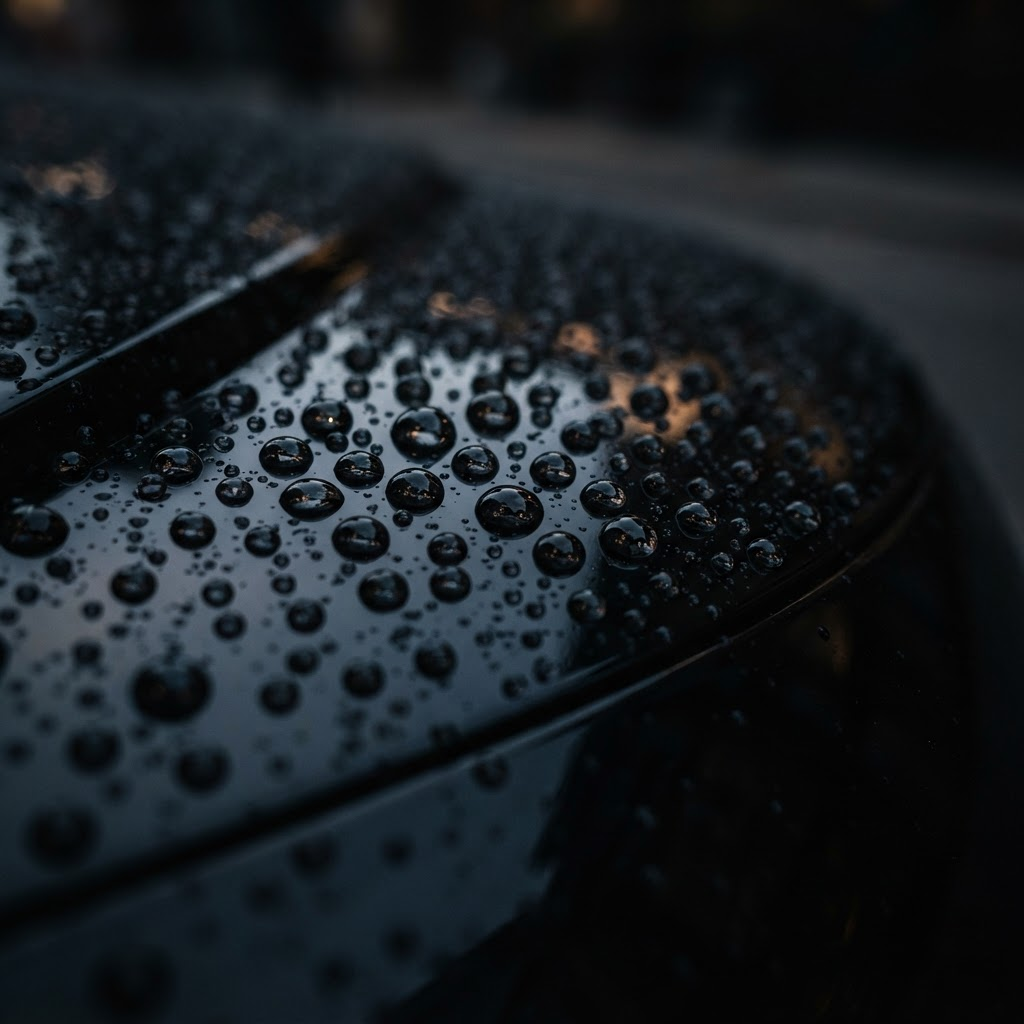
A protective layer can influence the appearance of automotive paint through reflection, texture, haze and optical clarity. The result depends on the underlying finish, material, preparation and application quality.
Gloss is measurable but contextual
Gloss meters measure reflected light at specified geometries. A reading is useful only when the angle, instrument, surface preparation and measurement locations are controlled. A high number does not describe every aspect of appearance or prove protection performance.
Texture and clarity
Orange peel, haze, dust, waviness and trapped contamination can scatter or distort reflected light. Inspection under multiple lighting conditions helps reveal different defects. Surface correction before installation and controlled application are important, but not every defect can be corrected after a layer is applied.
Finish choices
Gloss, satin and matte finishes reflect light differently. A product’s finish options and compatibility should be confirmed from its documentation. Matte and textured surfaces may require distinct cleaning and repair methods; conventional polishing can change their appearance.
How to inspect results
Agree on lighting, viewing distance and acceptance criteria before work begins. Ask whether gloss or haze measurements are available and how they are taken. Use actual installed examples rather than relying solely on edited photographs.
Related questions
Does PPS change gloss?+
It may affect appearance. Review actual installations and ask how gloss, haze and texture are evaluated.
Does PPS protect against UV exposure?+
UV behavior must be confirmed for the specific product using documented evidence.
References and further reading
- ASTM D3359 — Standard Test Methods for Rating Adhesion by Tape Test.
- ASTM D523 — Standard Test Method for Specular Gloss.
- ASTM G154 — Standard Practice for Operating Fluorescent Ultraviolet (UV) Lamp Apparatus for Exposure of Materials.
Consult the current published editions and confirm that a method is appropriate for the substrate and claim. Listing a standard does not imply that LIQVIX or any other product has been tested to it.
ASTM International ↗Continue learning
Explore LIQVIX
Learn about the LIQVIX product and its documented specifications.