On this page
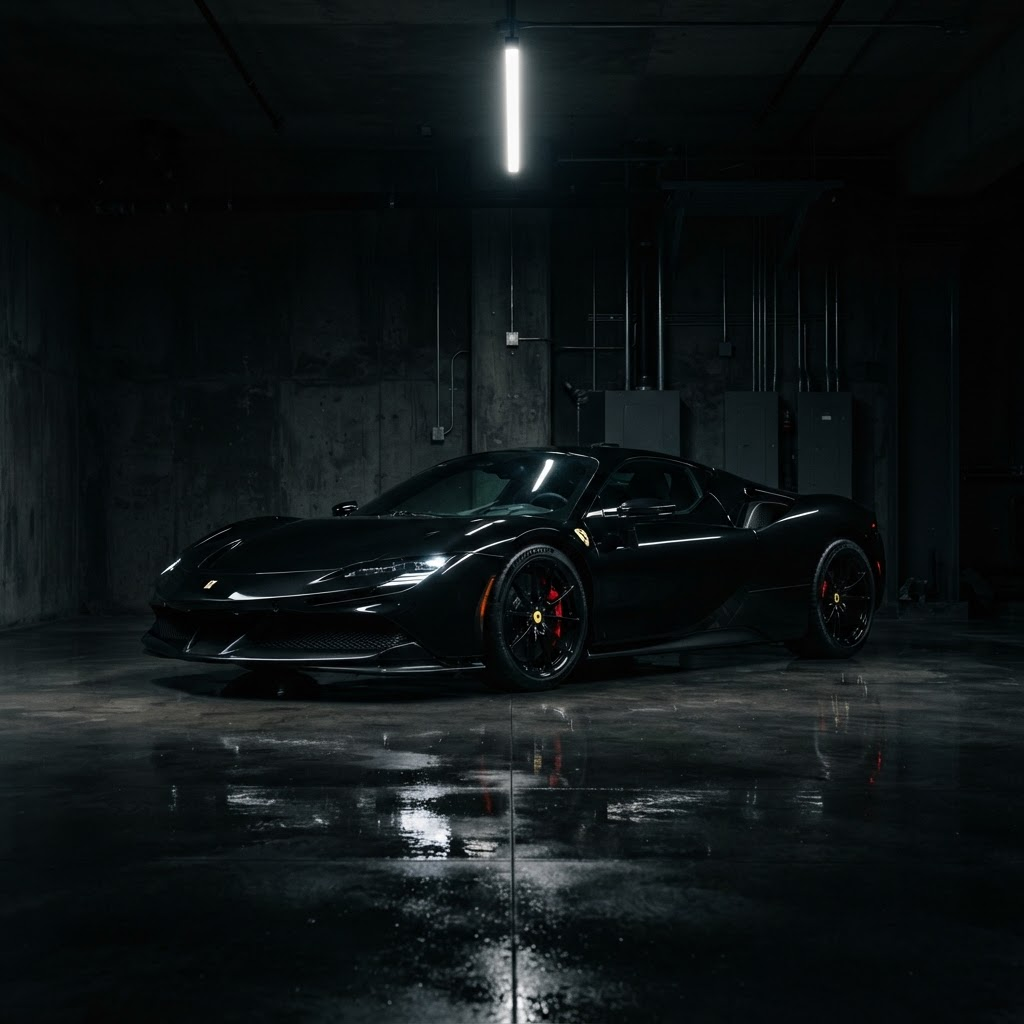
The best protection for a new car depends on paint condition, use, budget and expectations. New paint does not remove the need to verify product compatibility or installation quality.
Inspect before protecting
Factory paint can still have transport marks, contamination or defects. Ask for an inspection under proper lighting before a product is applied. Correcting defects after protection is installed may require extra work or removal.
Compare the options
PPF is a sheet-based approach commonly selected for physical coverage on chosen panels. Ceramic coatings are generally selected for surface behavior and easier cleaning. Spray-applied systems use a liquid application process and vary by formulation. Waxes and sealants are maintenance options.
Think about use and ownership
Frequent highway driving, outdoor parking, long ownership, lease conditions and a desire for future color changes lead to different priorities. Confirm the product’s warranty and compatibility with the vehicle finish and any sensors, trim or repaired panels.
A measured decision
Request written quotes with coverage maps, preparation steps and aftercare. Compare real test evidence and avoid terms like “scratchproof.” The right installer should explain limitations and help you decide when no treatment—or a different treatment—better fits your goals.
Related questions
Does PPS protect against scratches?+
Resistance varies by product and test. No broad category can prevent every scratch; ask for documented methods and limitations.
Does PPS prevent stone chips?+
Do not assume so. Impact response is product-specific and should be supported by relevant test evidence.
Continue learning
Explore LIQVIX
Learn about the LIQVIX product and its documented specifications.